
Course Detail

Start Date

2023-11-20 13:55:42

Basic Life Support (BLS)

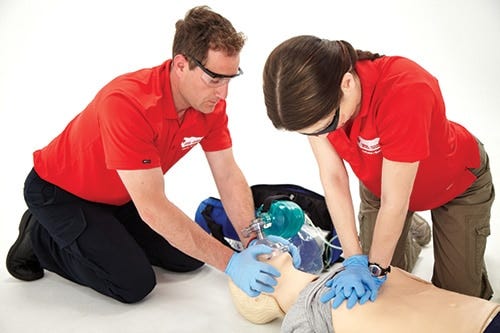
This certification course is tailored for healthcare professionals to provide them with the essential skills needed to respond to life-threatening emergencies. The course focuses on critical interventions such as Cardiopulmonary Resuscitation (CPR), Automated External Defibrillator (AED) usage, and immediate emergency response techniques in both in-hospital and out-of-hospital settings. Upon completion, participants will be prepared to act confidently in real-life situations involving cardiac arrest or other emergencies.
This course emphasizes hands-on training and simulation to prepare participants for real-life emergencies, ensuring proficiency in life-saving techniques.
Category

Medical

Students

15

Videos

0 Videos

Time

15:30 Hours

Assignments

Weekly Assignments

R 999

Buy Course

Courses Topics:

  • Introduction to Basic Life Support

    • Importance of early response in cardiac emergencies
    • Overview of the BLS guidelines and protocols
  • Adult CPR

    • Step-by-step instructions for performing CPR on adults
    • Chest compressions, airway management, and rescue breathing
    • Hands-on practice with manikins
  • Automated External Defibrillator (AED) Usage

    • When and how to use an AED
    • Safe and effective operation of AED devices
    • Recognizing shockable rhythms and non-shockable rhythms
  • Child and Infant CPR

    • Differences between adult, child, and infant CPR techniques
    • Proper hand positioning and compression depth for infants and children
  • Choking Relief

    • How to perform abdominal thrusts for conscious choking victims
    • Techniques for managing unconscious choking patients
  • Team Dynamics in BLS

    • Coordinating with other rescuers during a multi-person resuscitation effort
    • Effective communication and role assignment during an emergency
  • Rescue Breathing and Bag-Valve Mask (BVM) Ventilation

    • How to provide breaths using BVM in combination with CPR
    • Ensuring proper ventilation to avoid complications
  • Post-Resuscitation Care

    • Initial care following return of spontaneous circulation (ROSC)
    • Transferring care to advanced medical responders
  • BLS for Special Circumstances

    • Adjusting BLS techniques for drowning victims, drug overdoses, and trauma
  • Ethics and Legal Aspects of BLS

    • Understanding the Good Samaritan Law
    • Legal responsibilities and consent in providing life support
educate